
www.industry-australia.com
09
'25
Written on Modified on
Genesis Hot Water Programme Cuts Energy Use, Trials Smarter Grid Tech
Genesis shifts hot water heating outside peak times, reducing energy demand by 10% and trialing AI-powered smart devices with GridSmart.
www.genesisenergy.co.nz
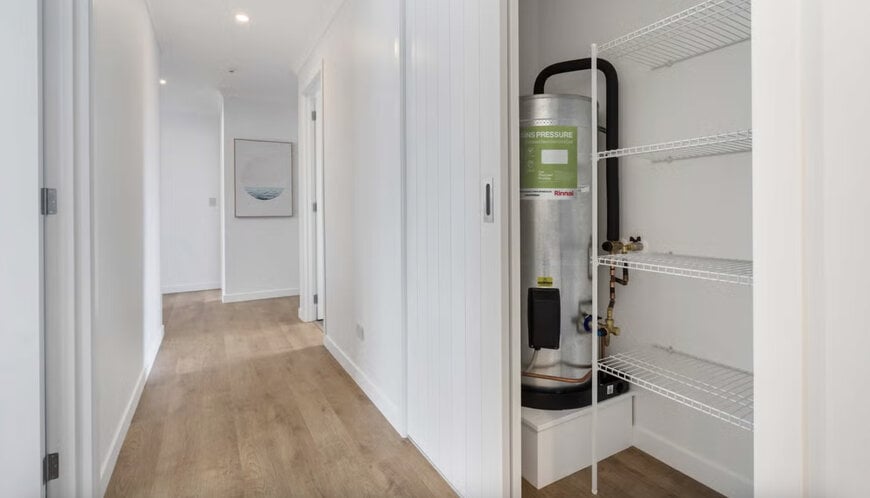
A programme to remotely control hot water settings at peak times is reducing energy usage for 17,000 Genesis customers by around 10 percent without having to change their lifestyles.
The programme allows Genesis to alter when hot water is heated across its customer base so heating falls outside peak times, reducing cost for customers and relieving strain on the national grid – especially in winter.
Genesis is also working with GridSmart, a division of hot water leaders Rinnai, to test new technology that will allow even smarter demand management, customised to individual customer use patterns.
“Water heating is one of the biggest contributors to household electricity use accounting for around 30 percent of the energy used by an average household,” says Genesis Chief Revenue Officer Stephen England-Hall.
“As New Zealand moves towards wider electrification, it’s vital to ensure growing demand doesn’t place unnecessary strain on the grid.
“We’re looking at how smart, automated technology can help reduce peak demand, lower customer bills, and maximise use of renewable generation – all while keeping the experience seamless for customers.”
Since starting the programme in September last year, Genesis shifted approximately 500 MWh of energy demand out of peak periods as the programme scaled up. For customers on the programme, on average 32 percent of their hot water load has been shifted out of the morning peak and 14 percent out of the evening peak.
Overall Genesis has shifted 1.43 GWh of hot water load over the past 10 months to various times of day. That’s as much electricity as 200 homes use in a year.
“We’re still learning and optimising the programme so expect benefits to customers and the grid to increase,” says England-Hall.
The next step is to trial new smart home devices that more closely match electricity demand with an individual customer’s use, allowing more efficient management and targeted customer savings.
GridSmart has developed an affordable and scalable device that is retrofitted to a customer’s hot water cylinder which allows real-time visibility of household water usage, enabling more accurate balancing of demand.
“The system combines Rinnai's expertise in hot water with AI to assess how much hot water is needed and when - putting the customer's needs first, while utilising renewable generation and reducing grid congestion,” says GridSmart General Manager Charles Chu.
“Current solutions are blunt and not dynamic - this device means homes can have family over unexpectedly, or enjoy a long shower after a hard day without having to worry about their water running cold.”
“We’re aiming to save 40-60 percent in addition to what Genesis have been able to achieve with its current demand management programme,” says Chu.
GridSmart draws on Rinnai’s market leading knowledge in hot water and appliance manufacturing. It is currently being trialed by Genesis staff who are amongst the first in the world to use the technology.
“We’re excited by the trial. Genesis is always looking for innovative technological solutions to help our customers save money and reduce overall energy demand, which is also great for New Zealand,” says England-Hall.
The trial is part of Genesis’ energy flexibility programme, which uses technology to introduce more resilience into the national network and provides win-win solutions for customers, retailers, generators and distribution companies.
www.genesisenergy.com
